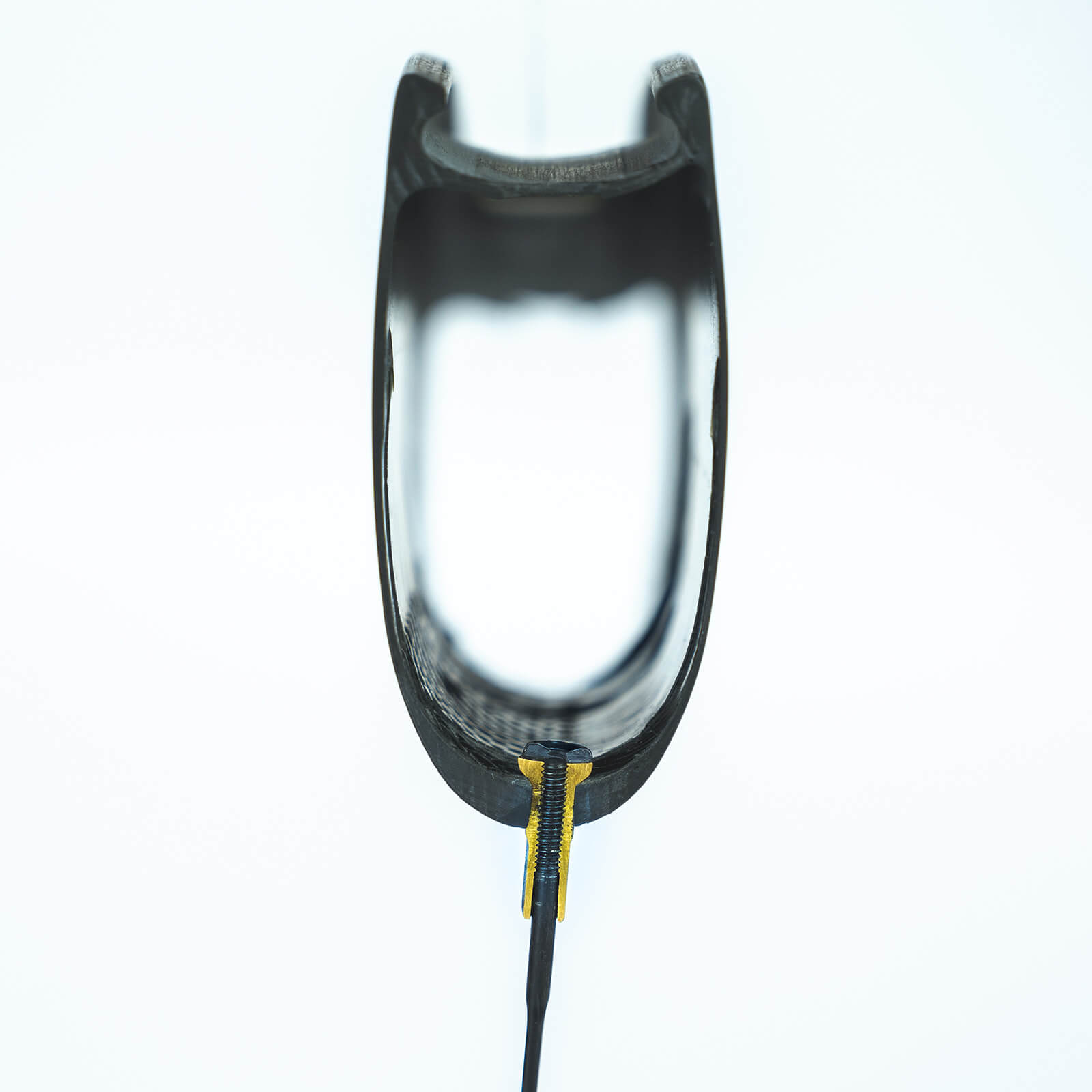
By revisiting the confusion around Effective Rim Diameter, this article aims to establish clearer reference standards for rim dimensions through empirical analysis. Intriguing findings are about to challenge some established beliefs such as:
- Does the nominal length of the spoke nipple actually affect ERD?
- What is the perfect spoke length, and is the spoke thread required to meet the nominal end of the spoke nipple (e.g., flush with the nipple head)?
- How some nipples have huge dead zones, and short nipples are far worse than people think.
- Assigning arbitrary offsets to define spoke protrusion past nipple seat bed (e.g., +2 mm past the nipple seat after entering the rim).
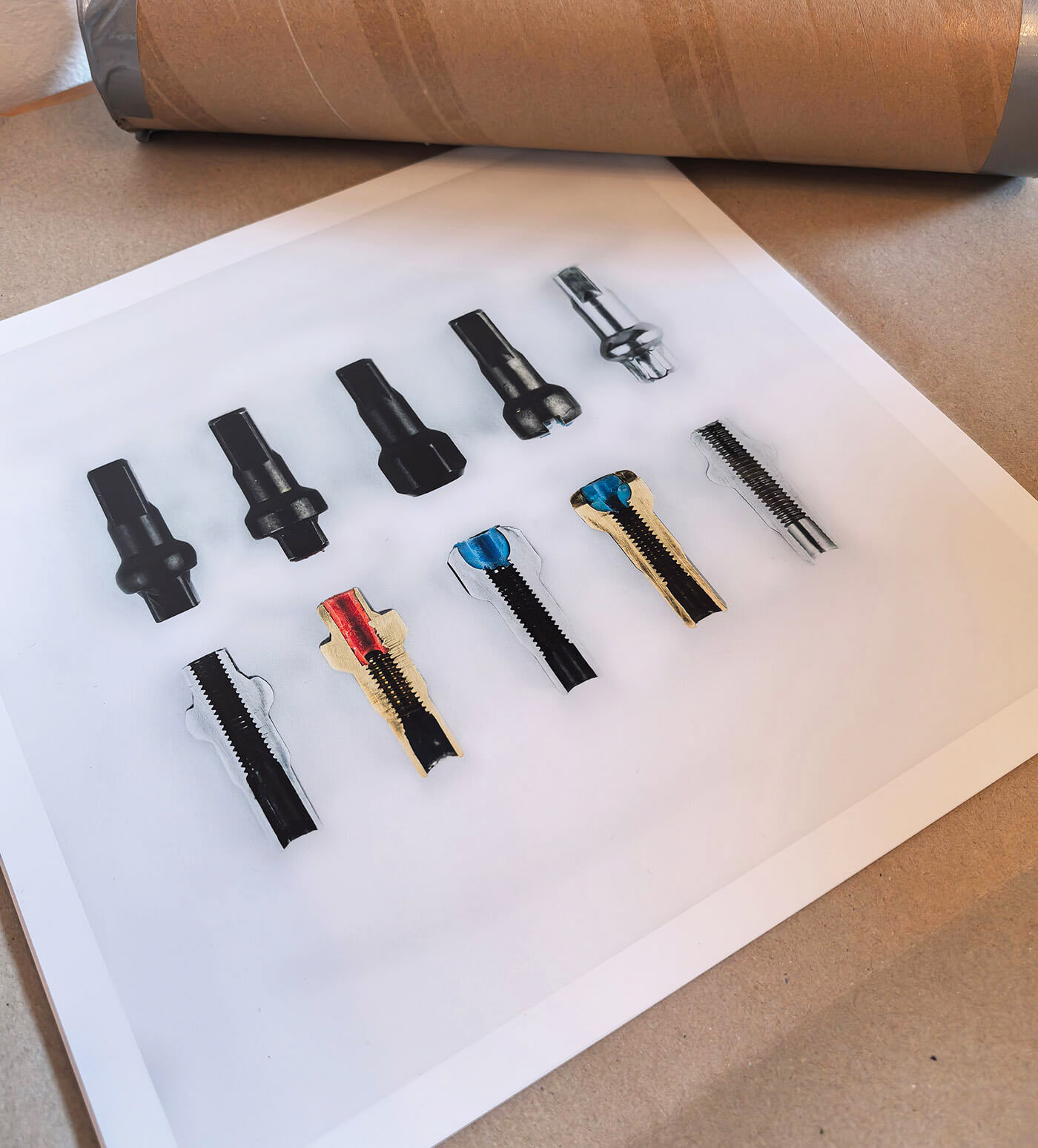
Creating this article produced several beautiful close‑up photos, which I now offer as high‑quality prints. If you'd like to support this work further, click here to order.
Table of contents
- Revisiting the ERD
- Introducing Nipple seat diameter
- Nipple Cross Sections: A Closer Look
- Real-life scenarios
- Final thoughts
Revisiting the ERD
Determining correct spoke length
A critical factor in determining correct spoke length is using the right “Effective Rim Diameter” (ERD).
Following the Park Tool’s long-established clarification - “The ERD is that point in the rim where the end of the spoke sits” - the SpokeCalc always treated the Effective rim diameter as the diameter of the circle through the ends of the spokes.
Shortly after launch, the article "Measurements for Wheel Building - Taking Your Own Measurements with Confidence" attempted to clarify terminology and advise builders how to approach complex measurement-taking.

Although ERD (marking the final spoke end position) goes by different annotations, the fact remains: every spoke calculator requires the user to input this final spoke seat position to run the arithmetic. Now focus your view again on the upper illustration, on which the newer age Double square nipple type was used on the drawing intentionally.
That’s where strange things start to come to the surface.
The deeper you dig into the field, the more ambiguity you discover. It often seems like everyone knows what they're talking about, while no one really agrees on how to frame the terminology or remove the confusion around it. No wonder many novice wheel builders freeze at this stage.
Let's examine some of these quirks.
Why Effective rim diameter is flawed
Imagine a wheel builder who measures Effective rim diameter once and saves it for future builds, only to forget which nipple was used for the measurement, or whether the rim eyelets were included beneath the nipple seat. Not such a rare scenario. But when those assumptions are lost, the ERD value itself becomes unreliable, even worthless.
ERD isn't wrong, it's just incomplete. Common ERD conventions rely on loosely defined assumptions that were never explicitly stated. What we've all been calling a "reference" isn't really a rim measurement on its own, but a derived dimension, dependent on ever-changing nipple geometry. And while not so long ago the standard round external nipples prevailed, builders today are flooded with nipple head profile choices.
"ERD always assumed a nipple — it just never said which one."
Not so long ago, I revisited the topic in an article meaningfully titled "Rim ERD Revisited – About the Confusion Behind Effective Rim Diameter." It clearly revealed the discrepancies between measured ERDs when using different nipple designs. The ERD measurement could vary by up to 5mm simply by switching nipple geometry.
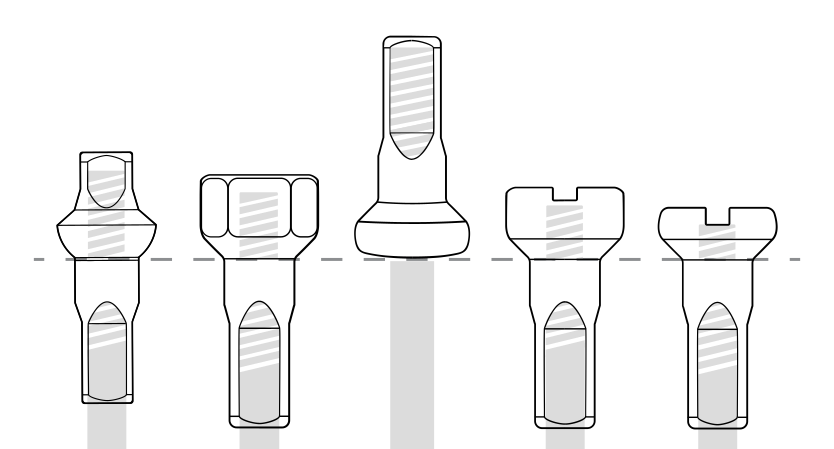
Now that is absolutely massive. This clearly shows that the ERD, as such, merely approximates that dynamic relationship between spoke and rim.
The industry responds in typical fashion: some manufacturers provide ERD, some provide rim inner diameter, some provide both (with conflicting legend acronyms), and some provide blank-legend spec sheets with values only to avoid mentioning either.
Again, seems like we all suspect the problem, yet there’s no one to terminate the confusion.
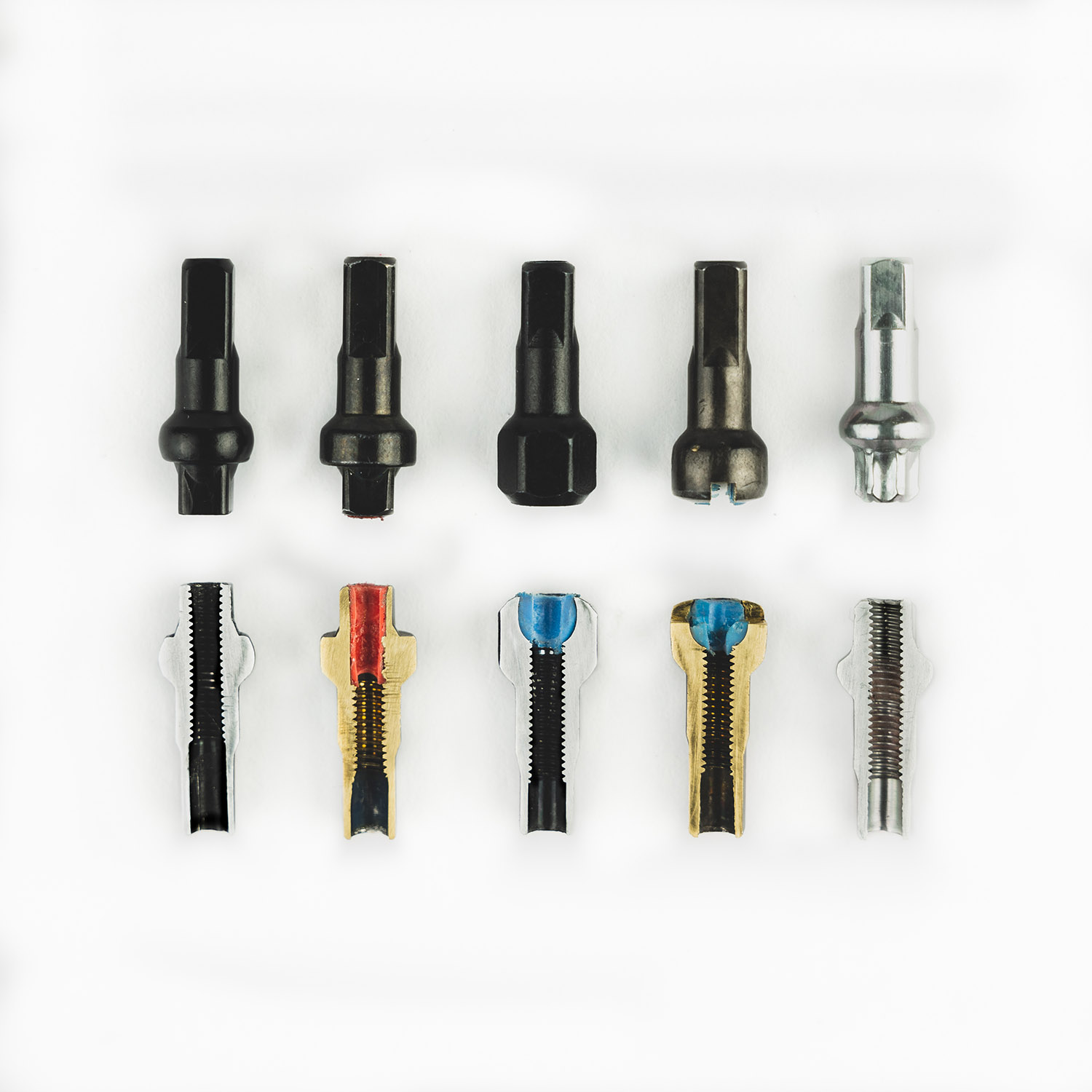
The move toward deeper nipple head profiles, including DSN and hex-head designs, increases the range of possible spoke end positions even further. When paired with performance-based spokes exhibiting higher elastic stretch, even minor geometric differences are amplified, further exposing the ambiguity of ERD as a reference. It is simply outdated.
To make things worse, the article "Wrong Spoke Length — The Effect of Incorrect Measurements on Spoke Calculation" revealed that ERD is among the highest error-inducing dimensions, with a correlation factor close to 1. That means every millimeter of measurement error translates almost directly into spoke length error.
It seems like we’re coupling flawed measurement logic with direct calculation impact while the wider wheel-building community (including rim manufacturers) is left needing a unified step toward transparent rim dimensions.
Such flaws have spread industry-wide mistrust in published specs or online component databases and triggered a DIY-measurement movement as a countermove. The question is whether the industry is ready to make a step forward. Or we get left behind with the round-head nipples and paper spec notes sheets.
Introducing Nipple seat diameter
If previous chapters exposed the flaws in current rim reference dimensions, it's time to propose a solution to the chaos.
Nipple Seat Diameter (NSD) represents the internal diameter of the rim bed at the point where the spoke nipples sit. While this interface between rim and nipple isn't the spoke's actual termination point, it brings clarity because this location is now explicitly defined. Most importantly, it falls squarely within the scope of rim technical details that manufacturers can provide with little effort.
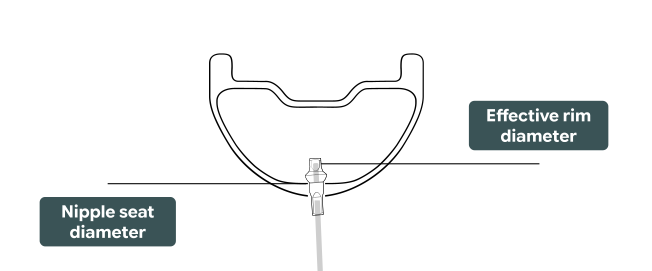
Compared to the ERD, which depends entirely on selected nipple geometry and resulting spoke positioning, the Nipple seat diameter is a pure geometric rim reference, independent of spoke length. And most of all, it remains reliable across multiple setups.
"Two nipples of identical length do not seat the spoke at the same height. That alone justifies NSD."
Can NSD replace ERD?
The beauty of knowing a rim's Nipple Seat Diameter lies in its reliability. As a purely rim-centric dimension, it serves as a clear, unambiguous reference. Store it once, and you'll know exactly what that number represents months or builds later.
Since the spoke continues past that point, this is where the Nipple head add‑on enters the game. It represents the distance from the nipple seat to the end of the spoke thread inside the nipple, not the nipple’s outer end. Stay with me, that distinction matters, as you’ll see why shortly. That distance can be as small as 1 mm with common round nipples, or stretch to 10 mm for internal nipples.
NSD as such isn’t a complete replacement, but more like a better starting point. It separates the rim’s fixed geometry from the variable of nipple choice, giving builders control and clarity that ERD never could.
That said, we are still missing one final piece to define spoke end point inside the nipple - the NDS add-on. But before we define it, let’s take a closer look at the spoke end position itself.
Ideal spoke end position
Like Effective Rim Diameter, NSD alone isn't enough and the spoke doesn't end at that point. Instead, it continues to ensure sufficient thread engagement and nipple support.
As noted earlier, the remaining distance from the nipple seat diameter to the end of the recommended (ideal) spoke end position can be called the Nipple head add-on or NSD offset.
"Knowing the nipple cross profile allows a wheel builder to assess thread engagement (percentage) based on a defined final spoke position."
This means ideal spoke length isn’t arbitrary. We can rely on measured nipple geometry to place the spoke precisely where it should be.
And as such, it's a dynamic measurement, shaped by the selected nipple’s head profile and thread placement.
And no, counterintuitively, the spoke doesn't necessarily end flush with the nipple tip either. Spoke end ideally ranges somewhere between the NSD reference line and the end of the nipple. Why is that exactly?
Closer inspection reveals we're balancing several constraints:
- Support: Ideally, the spoke doesn't end at the NSD point — it continues deeper to provide better nipple support.
- Maximum limit: The uppermost spoke end is defined by the thread ending inside the nipple head, which can be right at the nipple tip.
- Thread engagement: The spoke's rolled thread must fully engage with the nipple; thread length defines how deep the spoke can go before it bottoms out.
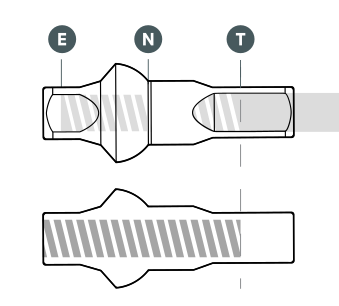
If the first two conditions seem obvious, the third often gets overlooked, since not all spoke nipples have a hard stop when the spoke is fully threaded in. And the maximum available spoke thread introduces another critical metric: the thread start point inside the nipple barrel.
"Ideal spoke position isn’t magic, nor arbitrary. Instead, it’s combination of geometry, thread length, and nipple head design."
Without technical specs or a cross section to inspect, we can only guess where the nipple thread actually begins. Yet that point forms a hard constraint on how far the spoke can be threaded in.
Nipple Cross Sections: A Closer Look
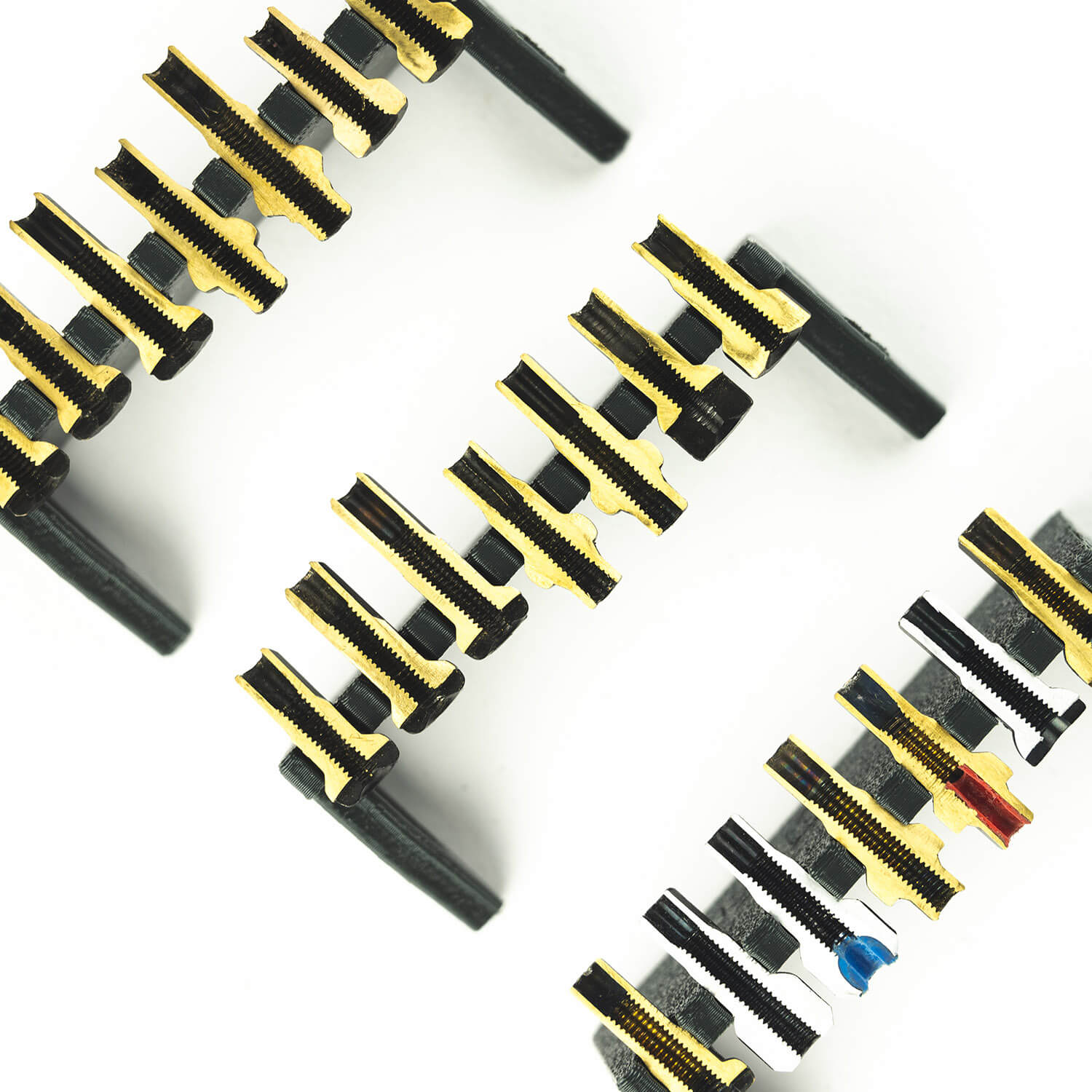
To understand how nipple design affects final spoke position, I recently cut in half and examined cross sections of all major manufacturers’ spoke nipples. Two specifications that received the most attention were:
- Thread geometry (critical) – specifically where the thread starts (T) from inside the barrel part of the nipple and ensures the first engagement point with spoke thread. Cross-sections of different spoke nipples proved different displacements of the thread from the barrel start, even among the same model.
- Nipple seat reference point (N) – as the reference point where the spoke nipple sits inside the rim wall and divides the nipple into barrel and head.
Purchasing and preparation phase
Never before had I seen so many spoke nipple models in person, let alone needed to cut all of them in half. The protocol was clear, inspect the cross‑section of each model. That meant spending serious garage time with an angle grinder, a vice, grit paper and bunch of halved nipples.
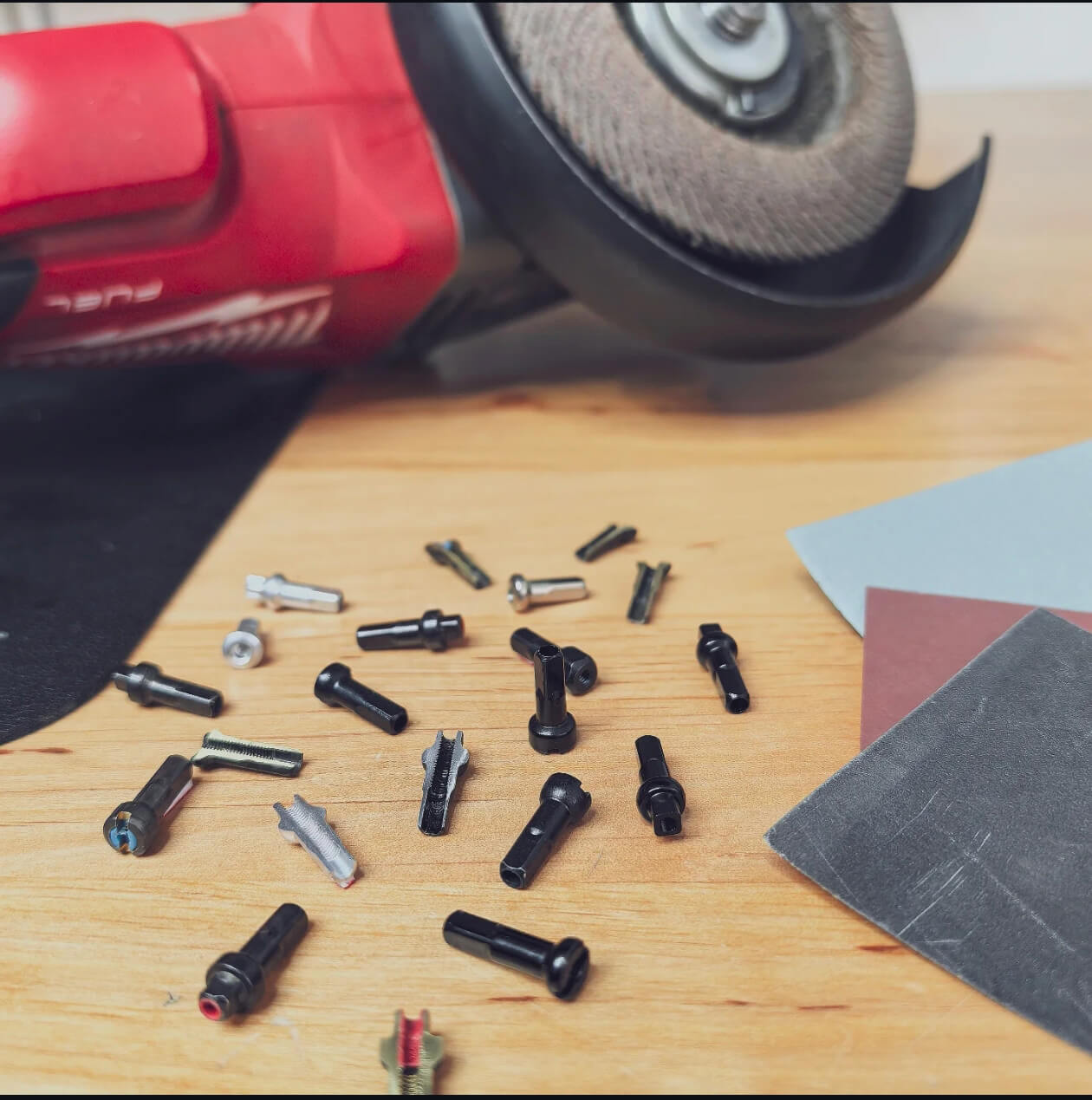
Interestingly, I got several questions about my method. Each model went into the vice, was grinded and split carefully to reveal its internal geometry. Towards the end, additionally polished with finer grit papers to bring out the shine. What sounds destructive was actually revealing: thread start points, barrel shapes, and 2D seat profiles. A countermove to begging manufacturers for specs. It was basically reverse engineering.
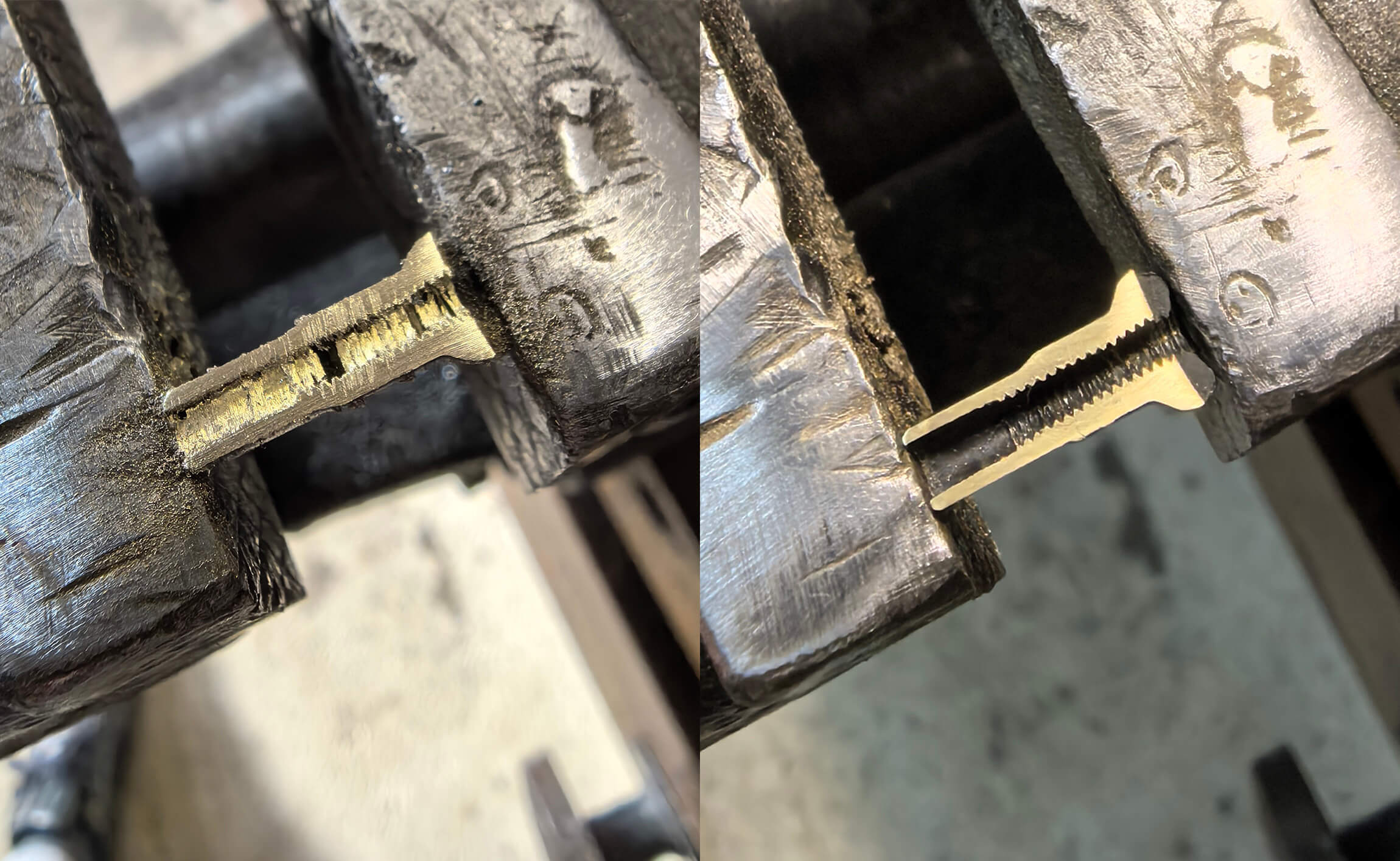
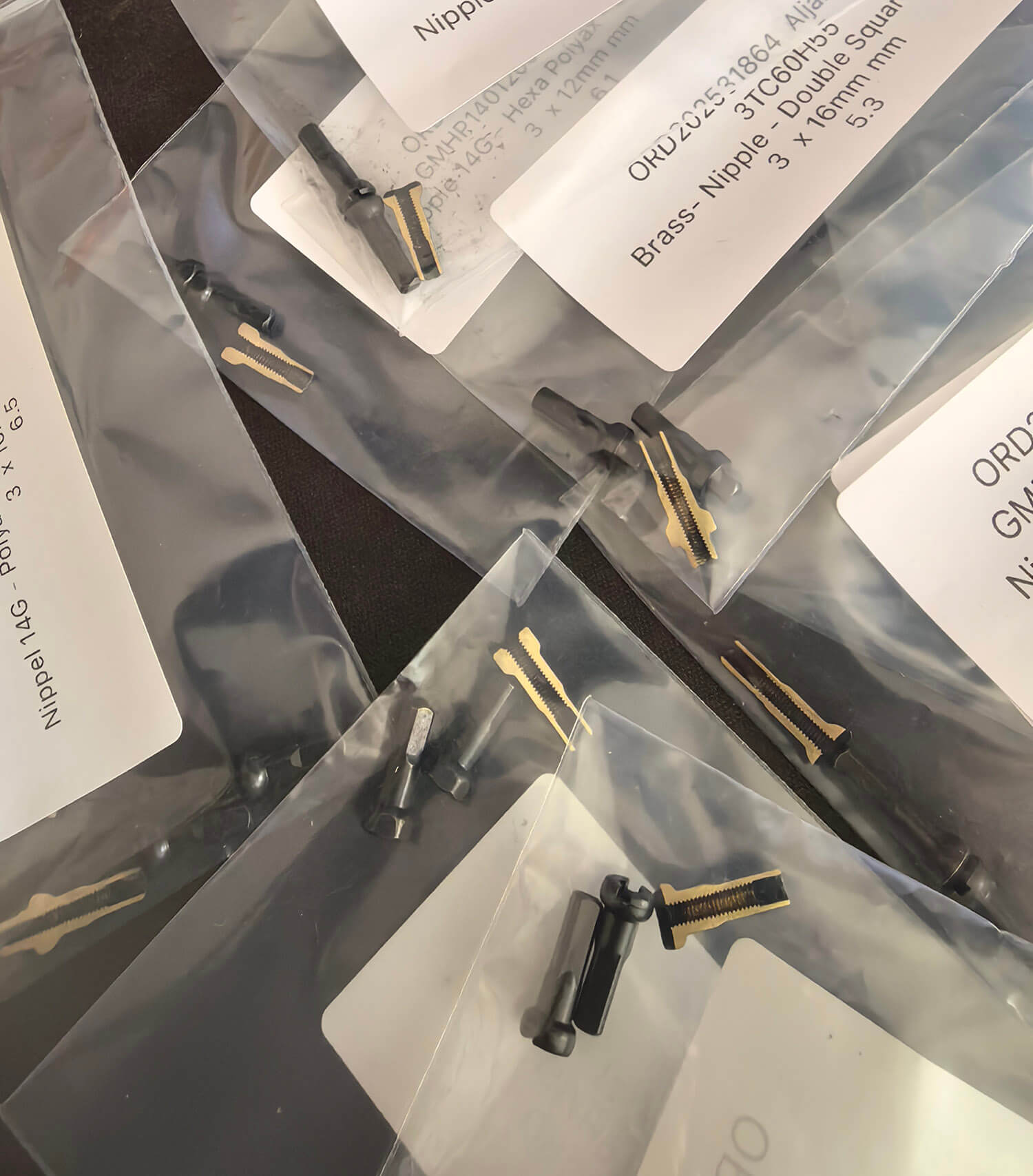
So I ended up with pile of nipples cut in half, each organized back into its original bag as a reference sample. For a serious builder, I’ve found this physical library surprisingly useful to have on hand for quick lookups when questions arise.
Getting nipple geometry measurements
Back to business. With cross sections prepared and laid out, it was time to measure nipple geometry. The diagram below highlights the key dimensions needed to later calculate the NSD offset (add-on).
Besides verifying the nominal nipple length, which notably deviated from specs in some models, getting the thread start inside the barrel was straightforward. All by using digital callipers for clear, repeatable readings.
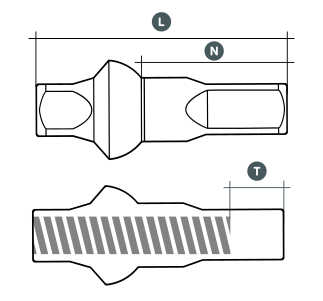
The tricky part was explicitly defining the NSD reference point (marked N), since it depends on both barrel diameter and the rim’s spoke hole diameter, which together determine how far the nipple head sinks into the rim.
Behind the scenes: the NSD reference point was itself a derived dimension, calculated by combining nipple barrel protrusion with rim wall thickness. For consistency, measurements were taken using a standard alloy rim with a 2.5 mm wall thickness and 4.3 mm spoke hole diameter.
Towards the NSD offset
With all three reference dimensions measured across multiple models and brands, it is time to deploy a calculation to estimate the maximum available NSD offset (add on) for each nipple type.
Our constraints remain:
- Spoke must protrude past the NSD reference (N) point
- Maximize spoke thread engagement while not running out of it (T)
- Do not protrude past the nipple head end (E)
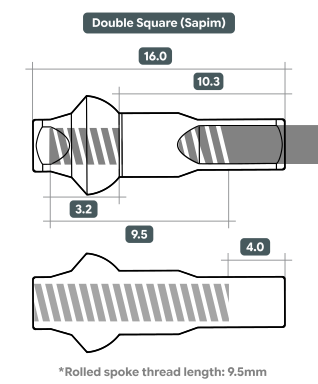
One subtle variable in the calculation was the length of rolled thread on a standard spoke. For most manufacturers, this lies between 9 mm and 10 mm; for consistency, the value 9.5 mm was used inside the calculation.
The illustration below shows real‑world spoke positioning on two Sapim nipples: the Double Square 16 mm and the standard Polyax 14 mm.
Respecting our constraints while maximizing thread engagement, the spoke sits with its thread starting 4 mm from the barrel tip. With the NSD reference line at 10.3 mm from the start, the spoke ends 3.2 mm past that point. And that value which is exactly the maximum NSD add‑on for this nipple type, per piece. No thread exceeded, no nipple end protruded, all constraints satisfied.
A different scenario appears with short standard nipples. Their shallower head profile often can't accommodate the full spoke thread. Even positioning the spoke to the slot or flush with the nipple tip (our constraint) can still leave you with less than 100% thread engagement.
Below is a reference table of measurements for the most common spoke nipple types. The full dataset remains inside the database, where the spoke calculator can import values dynamically.
Table: Nipple geometry and derived NSD offset
| Manufacturer | Model | Length | Thread start | NSD add-on | Thread engagement |
|---|---|---|---|---|---|
| Sapim | Double Square Brass | 16mm | 4mm |
+3.2mm
|
100% |
| Sapim | Double Square Brass | 18mm | 6mm |
+3mm
|
100% |
| Sapim | Hexa Polyax Brass | 14mm | 4mm |
+1.9mm
|
100% |
| Sapim | Hexa Polyax Brass | 12mm | 3mm |
+2.4mm
|
94.7% |
| Sapim | Polyax Brass | 12mm | 3mm |
+2.2mm
|
95.8% |
| Sapim | Polyax Brass | 14mm | 5mm |
+2.2mm
|
95.8% |
| Sapim | Polyax Brass | 16mm | 5mm |
+0.6mm
|
100% |
| Pillar | DSN | 16mm | 5.5mm |
+4.5mm
|
100% |
| Pillar | DSN | 14.4mm | 5.5mm |
+5.4mm
|
93.7% |
| Pillar | HEX 10 | 10mm | 3mm |
+10mm
|
73.7% |
| Pillar | HS 14 Hex | 14mm | 3.5mm |
+3mm
|
100% |
| Pillar | Hex PB14H | 12mm | 3.5mm |
+2.3mm
|
91.6% |
| Pillar | Hex PB14H | 14mm | 4mm |
+1.8mm
|
100% |
| Pillar | Hex PB14H | 16mm | 6mm |
+1.8mm
|
100% |
| Pillar | Internal 4R | 10.5mm | 2.3mm |
+10.5mm
|
86.3% |
| Pillar | PB 14 | 16mm | 5mm |
+0.6mm
|
100% |
| Pillar | PB 14 | 12mm | 4mm |
+2mm
|
89.5% |
| Pillar | PB 14 | 14mm | 4mm |
+1.8mm
|
100% |
| Pillar | TG-Lock | 14mm | 5.5mm |
+4mm
|
89.5% |
| Pillar | TG-Lock | 15.8mm | 5.7mm |
+3.5mm
|
100% |
| Pillar | TG-Lock | 16mm | 4mm |
+1.4mm
|
100% |
| Pillar | VH Hex | 13mm | 3.6mm |
+3.2mm
|
98.9% |
| Pillar | VH Hex | 15mm | 5.5mm |
+3.2mm
|
100% |
| DT Swiss | Pro Lock Standard | 14mm | 4mm |
+1.5mm
|
100% |
| DT Swiss | Pro Lock Standard | 16mm | 5mm |
+0.5mm
|
100% |
| DT Swiss | Pro Lock Standard | 12mm | 3.5mm |
+2.1mm
|
89.5% |
| DT Swiss | Squorx | 15mm | 3.5mm |
+3.2mm
|
100% |
| cnSpoke | AC144 BN | 14mm | 5mm |
+5.4mm
|
98.9% |
| cnSpoke | AC16 BN | 16mm | 6mm |
+5.1mm
|
100% |
| cnSpoke | BN12 | 12mm | 3.5mm |
+2mm
|
90.5% |
| cnSpoke | BN14 | 14mm | 4mm |
+1.6mm
|
100% |
| cnSpoke | BN16 | 16mm | 5.5mm |
+0.9mm
|
100% |
| cnSpoke | HR11 | 11mm | 3mm |
+4.1mm
|
84.2% |
| Alpina Raggi | Double Square | 16mm | 4mm |
+3mm
|
100% |
| Alpina Raggi | Hexagonal ABS Blue Power | 15mm | 3.5mm |
+2.8mm
|
100% |
| Alpina Raggi | Hexagonal ABS Blue Power | 18mm | 7mm |
+3.5mm
|
100% |
| Alpina Raggi | Hexagonal Head | 15mm | 3.5mm |
+2.8mm
|
100% |
| Alpina Raggi | Multiline | 14mm | 5mm |
+2.1mm
|
94.7% |
| Alpina Raggi | Round | 14mm | 3mm |
+0.5mm
|
100% |
| Alpina Raggi | Round ABS Blue Power | 15mm | 4mm |
+1.9mm
|
100% |
*NSD add‑on is per nipple. When you manually add it to Nipple Seat Diameter to get final spoke position, remember: multiply by two. But inside spoke calculator, algorithm should do it based on per nipple add-on value automatically.
"System-based nipple head add-on is the absolute maximum spoke end beyond NSD."
Key takeaways
First things first, no memorization is needed. The full dataset is saved inside the database for the calculator to reference from once you select and import a specific nipple model.
Still, some intriguing findings will summarize the dataset or even challenge established beliefs in the industry:
- Nipple length alone is misleading — it barely indicates thread engagement or final spoke position.
- Not all nipple thread is meant to be covered — respect the length of thread rolled onto the spoke; over‑threading can weaken engagement
- Arbitrary or fixed NSD add-on values (e.g. +2 mm) create inconsistent thread engagement between spoke and nipple
- Short nipples risk incomplete thread engagement — some don’t even provide enough thread length to fully engage a standard spoke
- Longer nipples often displace the thread start higher in the barrel and more length doesn’t always mean more usable thread
- The system-based nipple head add-on is the absolute maximum spoke end beyond NSD. Exceeding it means violating one of our constraints above.
- Same nominal length does not equal to same geometry — two “14 mm” nipples from different brands can vary significantly in ideal spoke positioning or usable thread.
- Thread start position varies more than length — this hidden dimension affects spoke engagement more than overall nipple size.
Important notice if using this data outside SpokeCalc
The NSD add‑ons shown here are calculated maximum spoke end positions. In real builds, you must account for spoke stretch under tension and apply defensive rounding — typically downward — to avoid either running out of thread on the spoke or protruding past the nipple end. Consider these values a theoretical starting point; always leave a practical safety margin.
Time to focus on some real-life cases before wrapping up the article.
Real-life scenarios
Case 1: Short round nipples (12 mm)
With 12 mm round nipples, full thread engagement is often not possible. Take a look at DT Pro Lock standard nipple below. The spoke literally can't thread in far enough even if you respect the ‘to the end of the nipple head’ constraint and go past the slot.
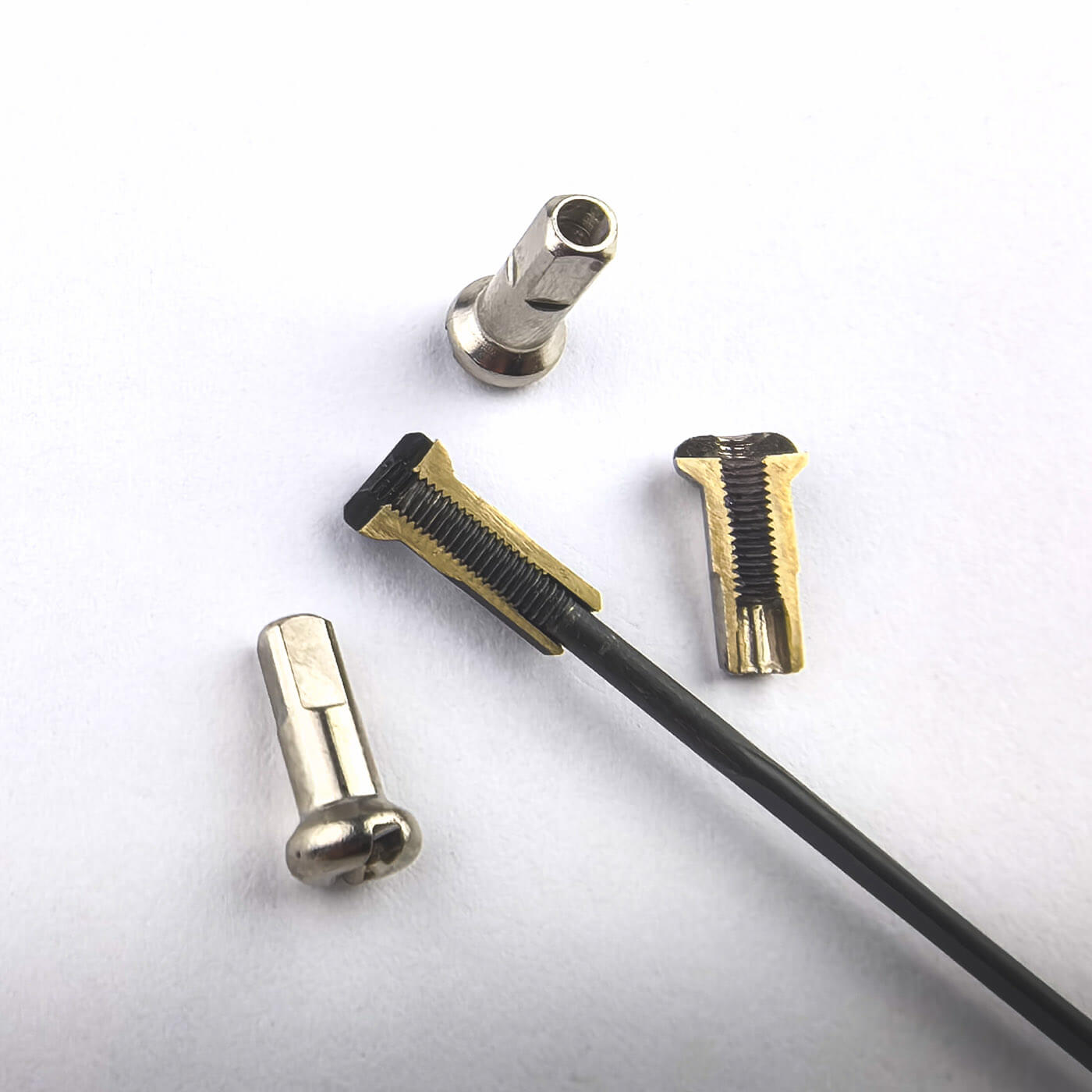
If you deduct the slot depth, which is around 1.4mm, engagement drops even further. In this scenario, going to the nipple end becomes the practical constraint. Not because it's ideal, but because it's the only way to maximize what little thread you have.
Yes, "End at the slot" may be the classic rule, but with short nipples that can mean significantly lowering already hindered engagement, especially when available spoke lengths from your distributor force a significant rounding down. And at the same time, that raises another question: what’s the minimum safe thread engagement?
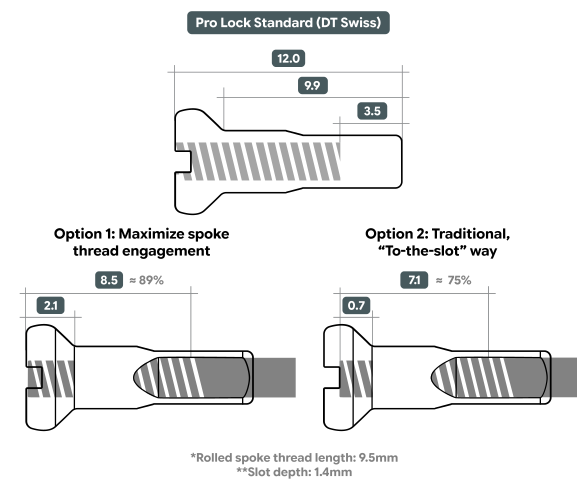
Following a traditional, "End at the slot" way induces a hidden risk of spoke ending before the NSD reference line, which could weaken the nipple itself. It is up to a wheel builder to decide what to do in this case, however sometimes the best available option isn't the textbook one.
Case 2: Different nipple lengths
Probably the most common misconception among novice builders is that longer nipples mean more usable thread and better spoke security. In reality, longer nipples often simply displace the thread start higher in the barrel. The extra length is often more about aesthetics or providing a better contact point for spoke keys in deep‑section rims, not about increasing thread engagement.
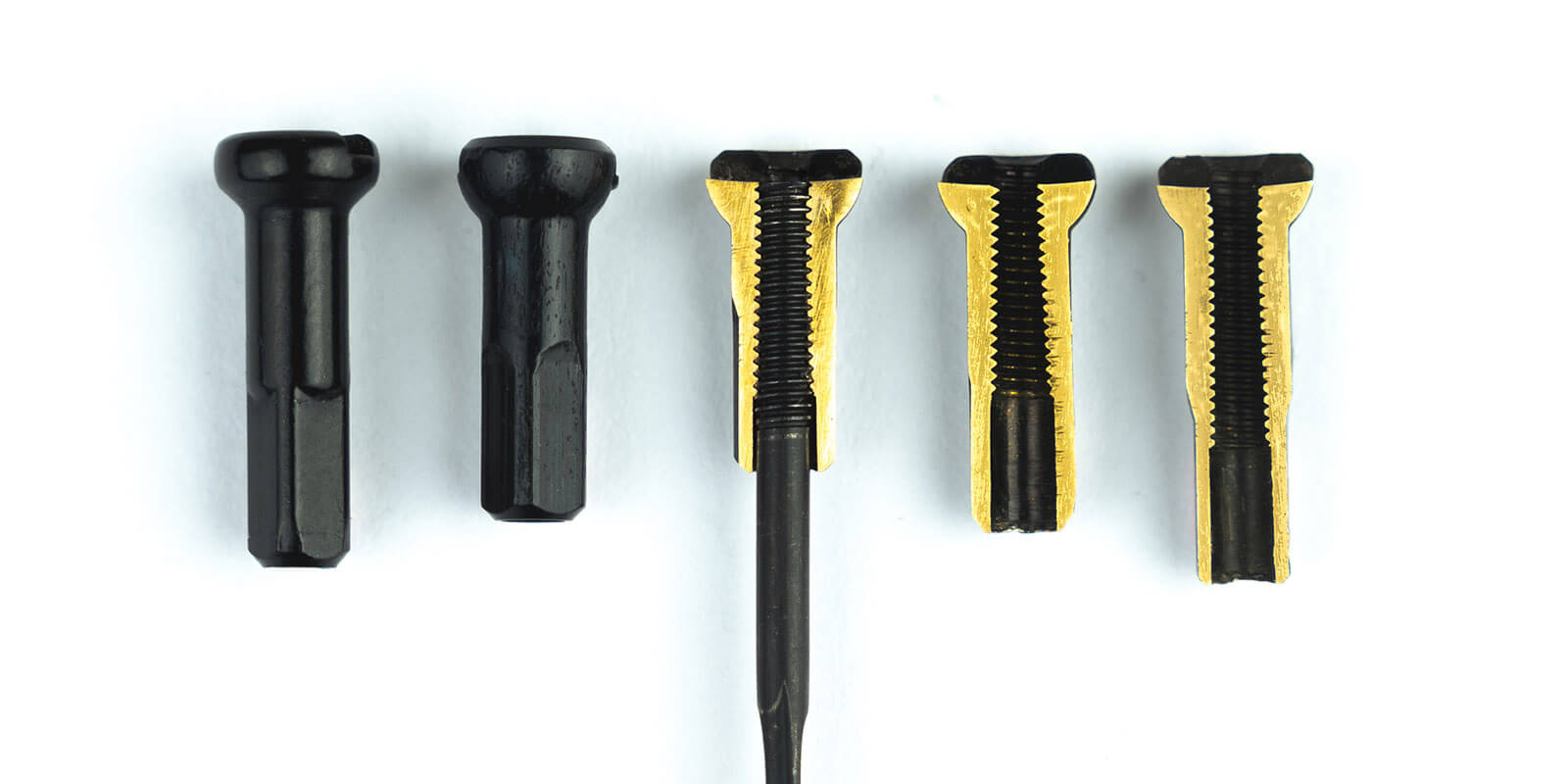
Two key observations emerge from the photo above. First, notice how the thread start sits higher from the barrel in the longer nipple model. Second, shorter nipples sometimes don’t even accommodate full spoke thread engagement, even with the spoke flush to the nipple end.
Imagine building a wheel with spokes 2 mm too short: you could end up with as little as 60% thread engagement. A real hidden risk.
Case 3: Identical nipple design but different brand
Comparing identical spoke nipple head profiles across manufacturers also revealed notable discrepancies. Swapping a spoke nipple for the same type but a different brand does not necessarily mean the same final spoke seat position or thread engagement (in case of keeping the same spoke length).
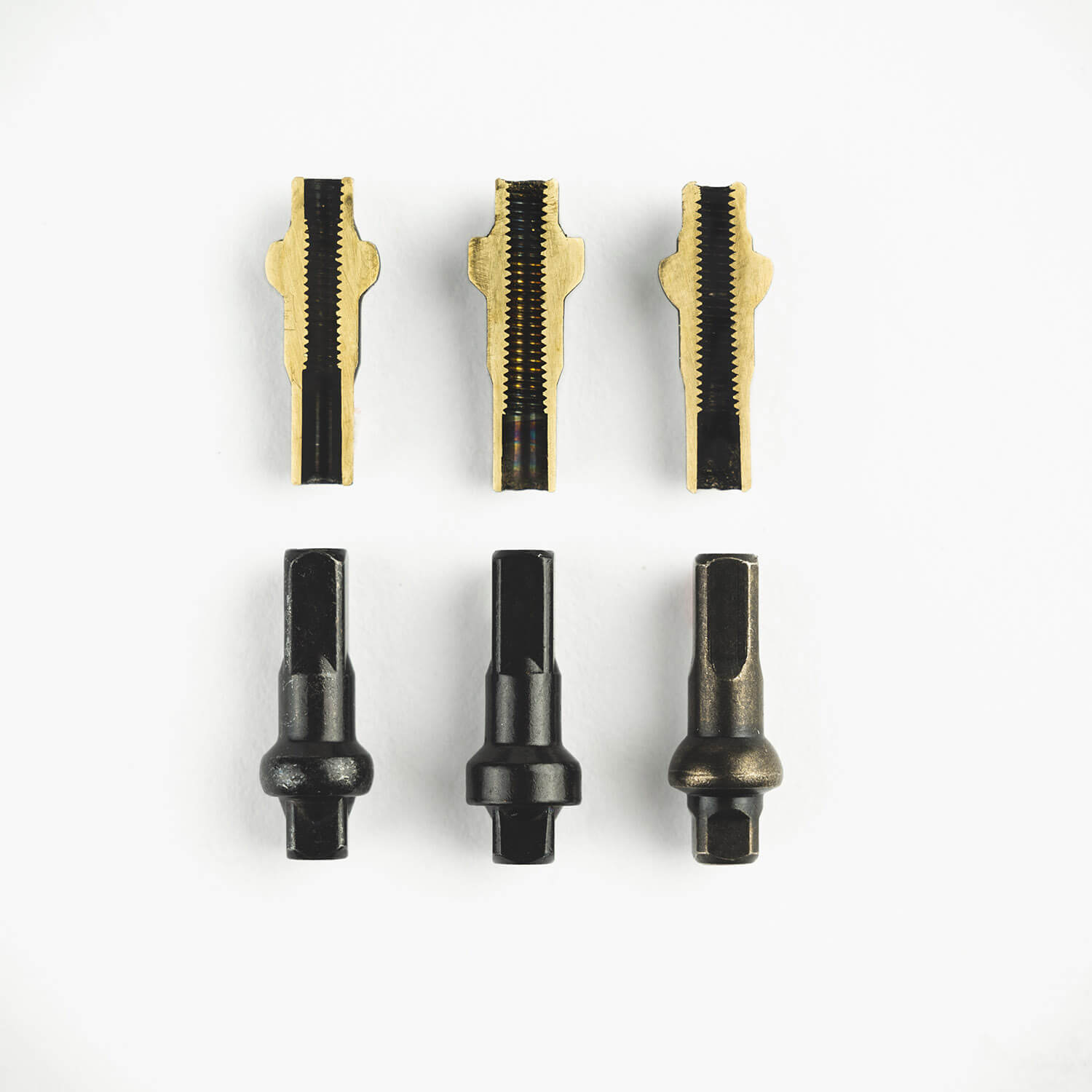
Above are three popular choices in the Double Square nipple type (Alpina, Sapim, and Pillar) all in size 16 mm. Yet their calculated maximum NSD add‑ons differ significantly:
- Alpina: 3.0 mm
- Sapim: 3.2 mm
- Pillar: almost 4.5 mm
That’s a 1.5 mm spread for nipples, being identical in length and type. Such difference could mean wrong spoke length if you swap brands mid‑build.
Case 4: Hidden anomalies
What surprised me most was the Pillar TG Hex model. Two nipples labelled 15.8 mm and 16 mm (actual effective length 16.2 mm). Same profile, nearly identical length, yet completely different spoke positioning inside the barrel.
The result? Calculated NSD add-ons differed wildly:
- 15.8 mm model: 3.5 mm
- 16.2 mm model: only 1.4 mm
That’s a 2.1 mm difference in spoke end position from nipples, so similar, that you can confuse just by placing them on a table side by side. Manufacturing feature or a flaw?
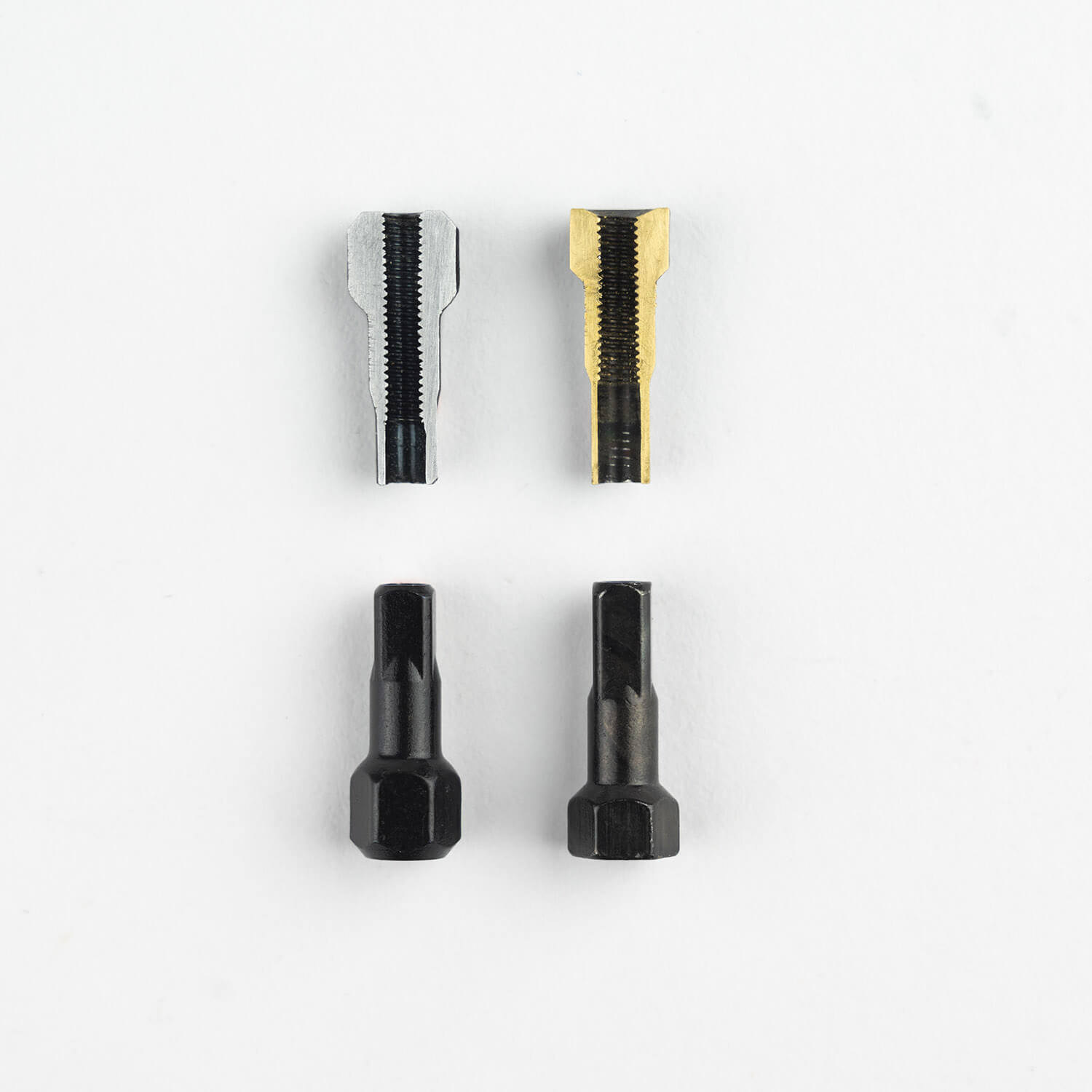
Finally, examine the two 15 mm Hex shape nipples: Alpina Hex and Pillar PB14H. Compared to Pillar, Alpina’s head profile is massively different, resulting in shifting the reference NSD line 1.5 mm outward where the nipple sits in the rim.
FINAL THOUGHTS
Effective Rim Diameter has long been the standard rim reference, but it's slowly becoming obsolete. It simply can’t keep up with modern wheel building's demands, especially with increasingly popular deeper nipple head profiles
A gradual shift toward a pure geometric rim dimension like Nipple Seat Diameter is already proving its worth: accurate, simple, and, above all, explicitly defined. Now it’s up to rim manufacturers to supply clean specs that include this dimension as standard practice.
As for the spoke length that extends past the NSD reference line, what we’re calling the Nipple head add-on or offset, the existing dataset with real measurements is already a solid starting point.
In the end, it is up to every wheel builder to decide on his preferred way. SpokeCalc will for sure be able to handle either case.
While examining spoke nipples, I captured some high‑quality close‑up photos along the way. If you'd like to support such work, prints are available — click & contact me here.
Enjoyed this article?
Buy me a coffee to support my work!
Every coffee helps fuel more content like this!
About author

Aljaž Trenta
Author and founder"As a cycling enthusiast, bike mechanic and self-taught web designer, combining several of my passions and skills to build SpokeCalc was a great fun for me."